
Playing the piano
doesn't have to hurt
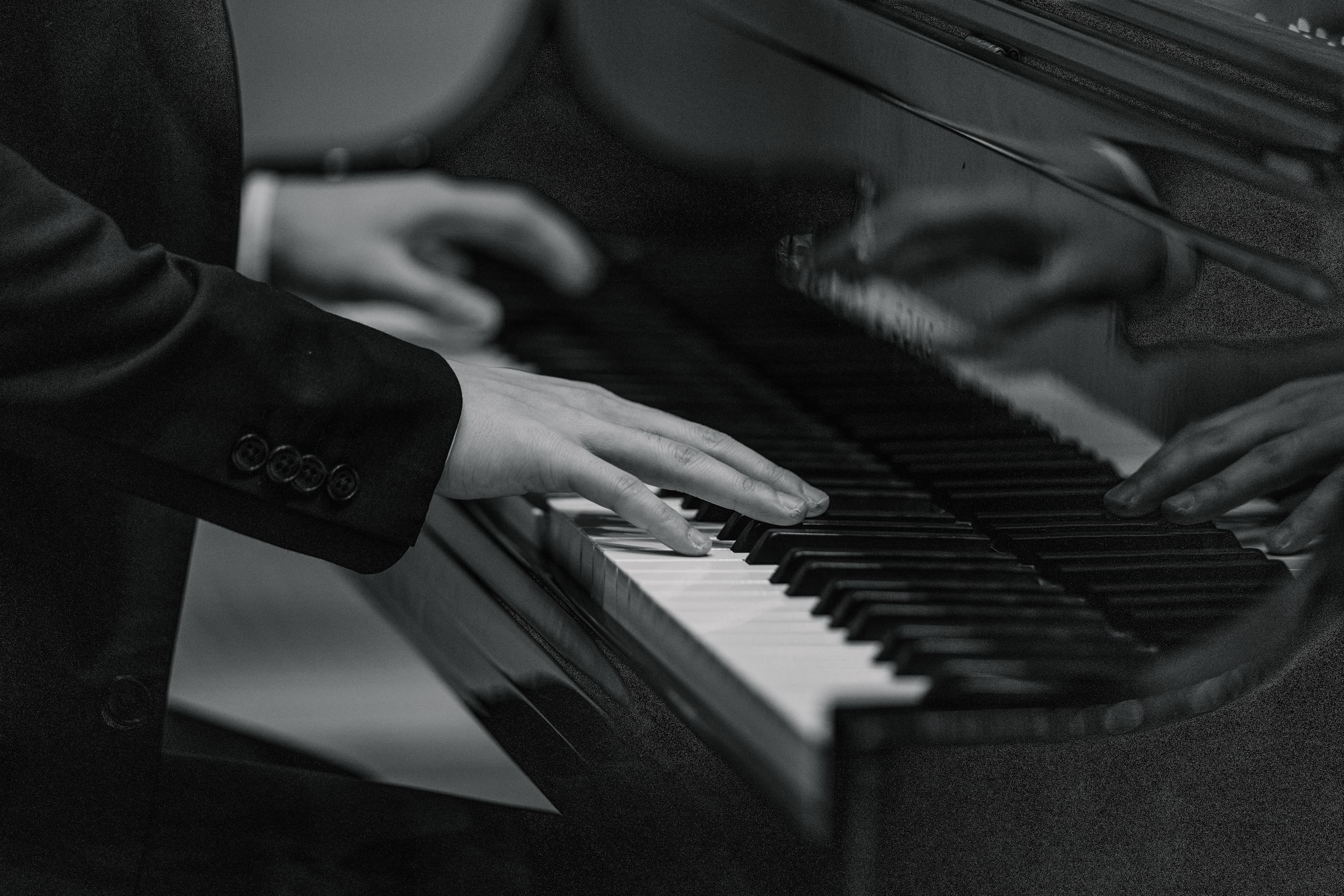
"I often witness pianists place their hands for the first time on a keyboard that better suits their hand span. How often the pianist spontaneously bursts into tears. A lifetime of struggling with a seemingly insurmountable problem vanishes in the moment they realize, 'It's not me that is the problem; it is the instrument!' Following on that, the joy of possibility overwhelms them."

Dr. Carol Leone
Chair of Piano Studies
SMU Meadows School of the Arts
"I often witness pianists place their hands for the first time on a keyboard that better suits their hand span. How often the pianist spontaneously bursts into tears. A lifetime of struggling with a seemingly insurmountable problem vanishes in the moment they realize, 'It's not me that is the problem; it is the instrument!' Following on that, the joy of possibility overwhelms them."
Dr. Carol Leone
Chair of Piano Studies
SMU Meadows School of the Arts
The Data
The Hidden Barrier
Have hand spans smaller than the 8.5 inch minimum that standard keyboards expect.
Also fall below the comfortable reach threshold for a standard 6.5 inch keyboard.
Minimum hand span needed to play a conventional 6.5 inch keyboard from Yamaha or Steinway with real comfort.
Hand span often needs to be at least one quarter larger than the octave just to reach 8ths, 9ths, and 10ths without strain.
Hand Span Calculator
A Keyboard That Fits You.
DreamPlay's DS Standard keyboards come in different sizes to match your biology.
Drag the slider to see which Zone your hand size belongs to.
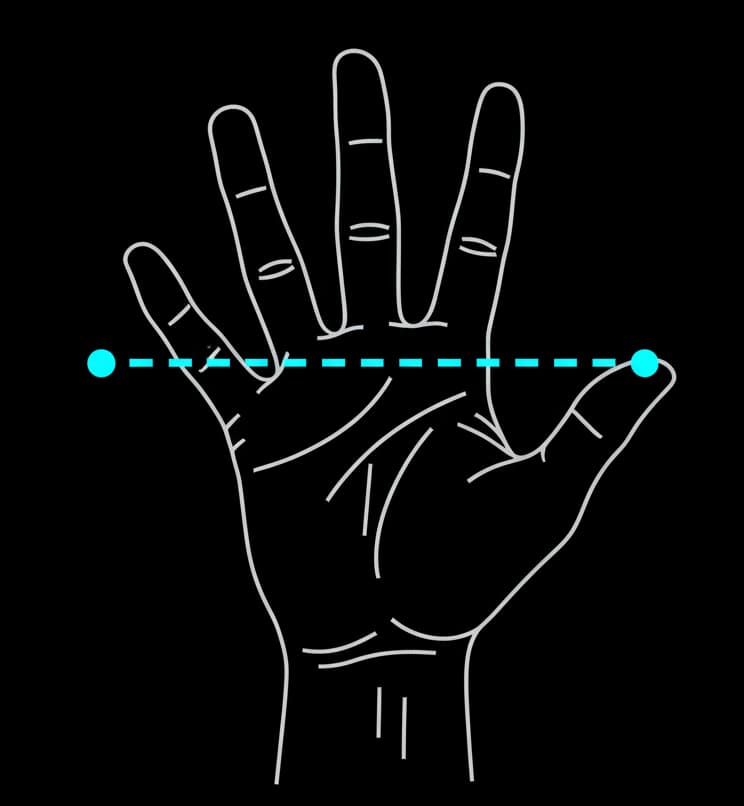
Spread your hand wide. Measure from the tip of the thumb to the tip of the pinky.
Learn about the DS Standard
The 'Goldilocks' size. Slightly narrower than standard, giving you the power of a concert pianist without the stretching fatigue.
Not sure if you need the DS5.5 or the DS6.0?
We created a 1:1 scale Printable Hand Guide. Print it out, place your hand on the paper, and see exactly which size fits your biology perfectly.
Performance
Unlock Your Potential
Matching your hand size to the correct keyboard unlocks greater comfort, accuracy, and musical expression.
Zone A Players
Petite Hands / DS5.5 Standard
Zone B Players
Average Hands / DS6.0 Standard
Peer-Reviewed Analysis
How Standard Keyboards Cause Pain
When small-handed pianists attempt to play octaves or large chords on a standard keyboard, they are forced completely out of an "anatomically neutral" position into a state of maximum stretch known as hyperabduction.
Players depress keys with fingers splayed completely flat, destroying the supportive bridge-like arch of the hand. This is accompanied by severe ulnar deviation — bending the wrist sharply toward the pinky — severely straining the lumbrical muscles and compressing the median nerve.
The same hand maintains an anatomically neutral arch and relaxed wrist position. Full mechanical leverage is restored, allowing arm weight to transfer directly into the keys — producing a richer, more powerful tone with zero strain.
Key Findings
86% of university piano majors experience active pain while playing
Over-stretching leads to tendonitis, focal dystonia, and carpal tunnel syndrome
Narrower keyboards show a drastic reduction in muscle fatigue via EMG
Sources
- Yoshimura, E., et al. (2006). Risk factors for piano-related pain among college students and piano teachers. Medical Problems of Performing Artists.
- Sakai, N. (2008). Keyboard Span in Old Musical Instruments Concerning Hand Span and Overuse Problems in Pianists.
- Wristen, B. (2000). Avoiding Piano-Related Injury: A Proposed Theoretical Procedure for Biomechanical Analysis of Piano Technique. Medical Problems of Performing Artists.
Evidence
Published Research
Decades of peer reviewed research explain why standard keyboards hold most pianists back.
Academic recognition
The Donison Steinbuhler standard appears in research and teaching at leading institutions.
Stanford University
Research and advocacy around scaled keyboards in music education and injury prevention.
Johns Hopkins Peabody Institute
Use of alternative sizes inside curriculum and performance programs.
Get Started
Ready to Play Pain-Free?
Reserve NowMSRP $1,499 — Founder's pricing available for a limited time.